Record-breaking box office returns from summer 2026 micro-budget theatrical releases are fueling an independent film investment surge, prompting South Florida creators to adopt brand-funded financing models to bypass state arts funding cuts.
YouTube Creators Break Box Office Records
Two low-budget films dominated the global box office in the summer of 2026, prompting traditional Hollywood studios to recruit young online content creators. Curry Barker, a 26-year-old YouTube comedian, directed the horror film Obsession on a budget of $750,000. Released theatrically by Focus Features on May 15, 2026, the film has grossed over $404 million globally. By July 2026, Obsession surpassed the 53-year-old box office record held by Bruce Lee's Enter the Dragon to become the highest-grossing film of all time produced for under $1 million. The production secured its Florida premiere on April 15, 2026, during the 43rd Annual Miami Film Festival, where organizers nominated it for the $10,000 Jordan Ressler First Feature Award. Local audiences continue to watch the film at South Florida theaters, including AMC Aventura 24 and the Nite Owl Drive-In in Miami.
At the same time, 20-year-old YouTube creator Kane Parsons released Backrooms, a horror film distributed by A24. Produced on a $10 million budget, Backrooms has grossed over $350 million worldwide since its May 29, 2026 theatrical debut, making it A24's highest-grossing film of all time. This financial performance led A24 to postpone its planned July 7, 2026 premium video-on-demand release to extend its theatrical run. Hollywood studios are responding to these returns by offering eight-figure, blind-deal development packages to young directors who built native audiences on social media platforms, proving that pre-existing digital audiences translate to theater ticket sales.
This influx of capital has exposed labor disputes within the industry. Production crews and artists working on low-budget projects do not share in the windfalls of unexpected theatrical blockbusters. Industry unions and trade groups are debating how to restructure contracts so that crew members receive backend compensation when a micro-budget film achieves major commercial success.
Corporate Brands Step into Film Financing
Corporate partnerships are stepping in to fund this new wave of low-budget productions. James Crane, Director of Business Development at the production and management company Sugar23, projected on Instagram that investment in low-budget films will experience a massive surge. Crane, a former talent agent at Buchwald who joined Sugar23 in April 2025, works to recruit corporate brands to co-finance low-budget, viral media projects.
The company, founded by producer Michael Sugar, has established several financing vehicles. In December 2024, Sugar23 partnered with the production and distribution company Fifth Season to launch a brand-focused studio. The venture committed to co-financing $100 million in brand-funded productions over three years. Sugar23 has expanded its corporate partnerships beyond traditional entertainment. In June 2024, the firm partnered with Starbucks to launch Starbucks Studios to produce original storytelling projects. In June 2026, the company helped launch Bose Studios, a music-focused entertainment platform encompassing television and live events.
Crane participated as a panelist on the virtual talk show AvA Live 002 alongside hospitality executive David Grutman. While some local promoters suggested this broadcast served as a South Florida regional pitch, the program was a virtual event hosted by Warner Bailey rather than an in-person summit in Miami Beach. Nevertheless, the brand-backed models popularized by Sugar23 are drawing interest from regional developers. Under these agreements, brands finance entire production slates, absorbing production costs in exchange for marketing integration, equity, and intellectual property ownership. For South Florida hospitality groups and real estate firms, this model offers a roadmap to finance narrative projects that highlight regional properties, bypassing the need for state film incentives.
Navigating South Florida's Funding Deficit
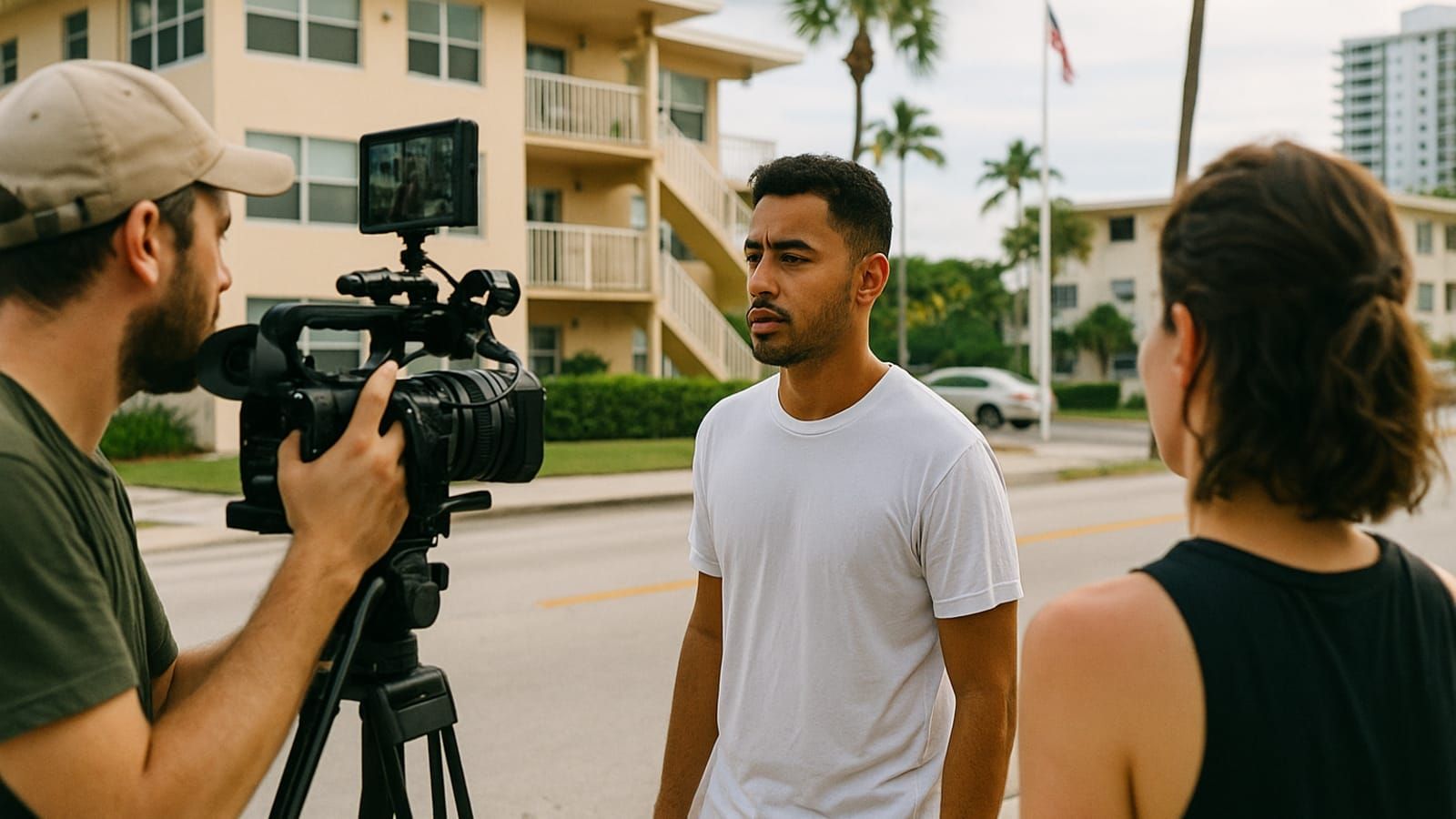
South Florida filmmakers are attempting to capitalize on this low-budget momentum to combat a lack of public funding. In June 2024, Governor Ron DeSantis vetoed $32 million in arts and cultural grants from the state budget. In June 2026, DeSantis vetoed a smaller $3 million in Culture Builds Florida grants, though he spared $20 million in cultural and museum funding. The reduction in state support has forced independent filmmakers in the region to rely on county-level programs.
Creators are shifting their fundraising strategies toward local programs, but these incentives present structural challenges for independent films. The Miami-Dade High Impact Film Fund Program, approved in late 2023 with an annual target budget of $5 million to $10 million, offers a 20 percent cash rebate but mandates a $5 million minimum local spend. Because this threshold targets studio-level films, local micro-budget filmmakers are turning to Broward County's Film Lauderdale incentives, which offer a tiered structure accessible to smaller projects.
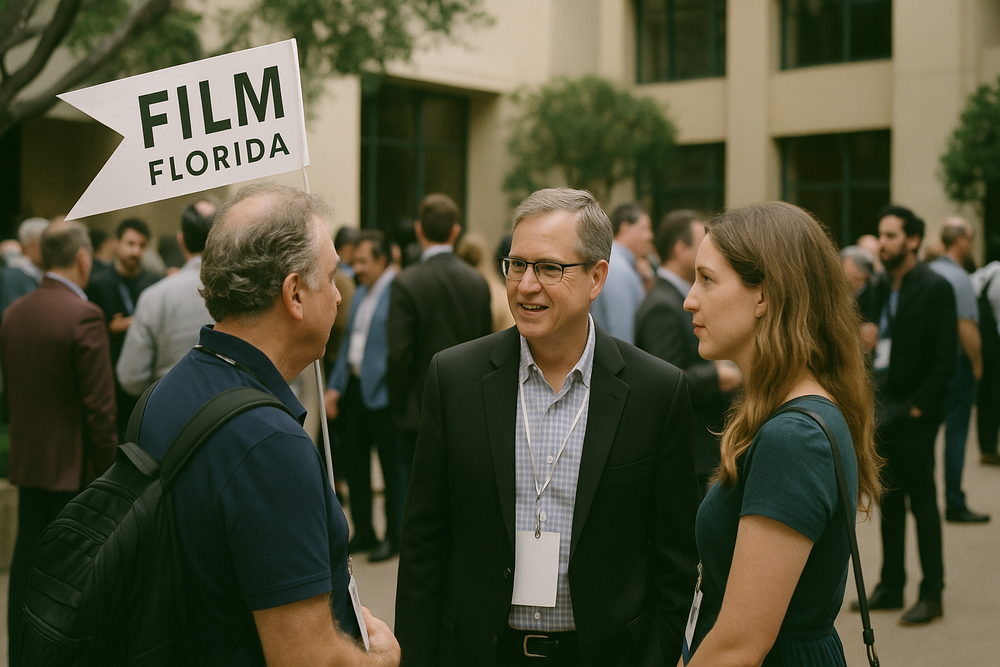
On May 27, 2026, the local non-profit advocacy group Miami Film Lab hosted a roundtable discussion titled Lights, Camera, Community at the Coral Gables Art Cinema. Local filmmakers discussed how to construct sustainable production careers in South Florida by adopting alternative financing structures. While Sugar23 had no formal presence at the event, the roundtable emphasized that South Florida's tech and real estate sectors possess the capital needed to fund micro-budget films. By pairing local business owners with filmmakers who understand viral distribution, regional organizers hope to establish a self-sustaining production ecosystem in Miami and Fort Lauderdale.
Disclosure: This article was drafted with AI assistance by The Sundaze Gazette editorial team and reviewed before publication.
Source: Based on an Instagram post from Sugar23's James Crane predicting a surge in low-budget film investments. — https://www.instagram.com/reel/Dag2dTep4V_/?igsh=MWkxajdlN2RveWZhcg==