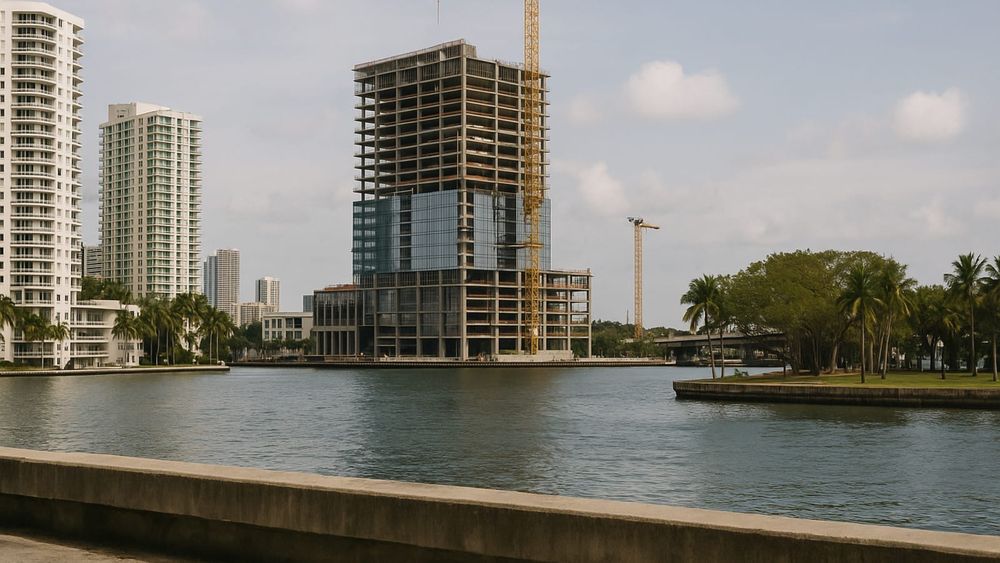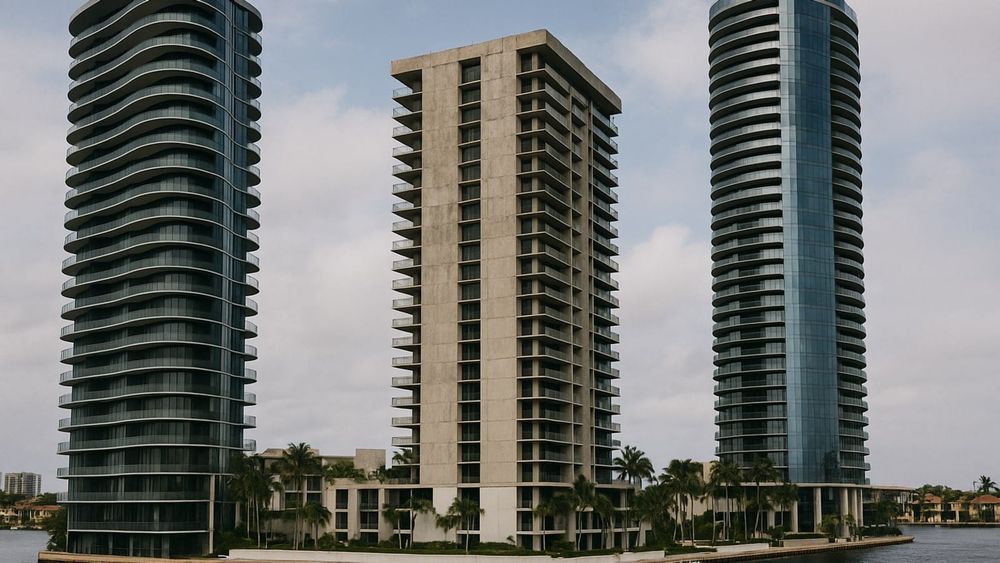
On June 25, 2026, the Miami City Commission voted to direct its city attorney to find legal strategies to challenge Florida's Live Local Act, setting up a historic fight over municipal home rule and zoning control in South Florida.
The Commission's Legal Directive
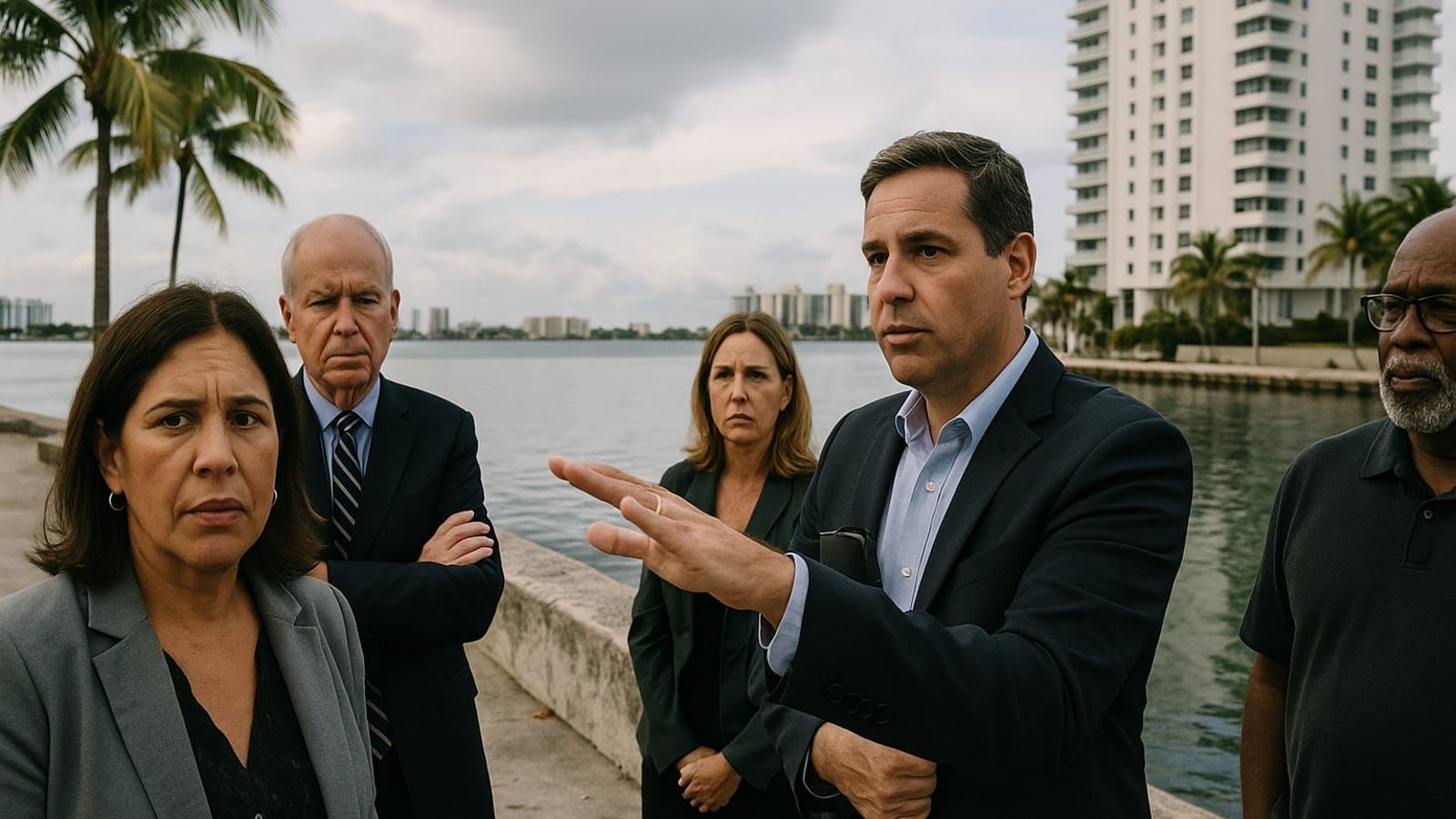
In a unanimous 4-0 vote, with District 1 Commissioner Miguel Gabela absent, the commission passed a resolution directing City Attorney George Wysong to explore legal options to challenge the state law. The resolution instructs Wysong to evaluate constitutional and home-rule claims.
This action is a directive to analyze strategies rather than an active lawsuit. Wysong will assess whether the city should file an independent lawsuit or join existing litigation as an amicus curiae, then report back to the commission for a final decision.
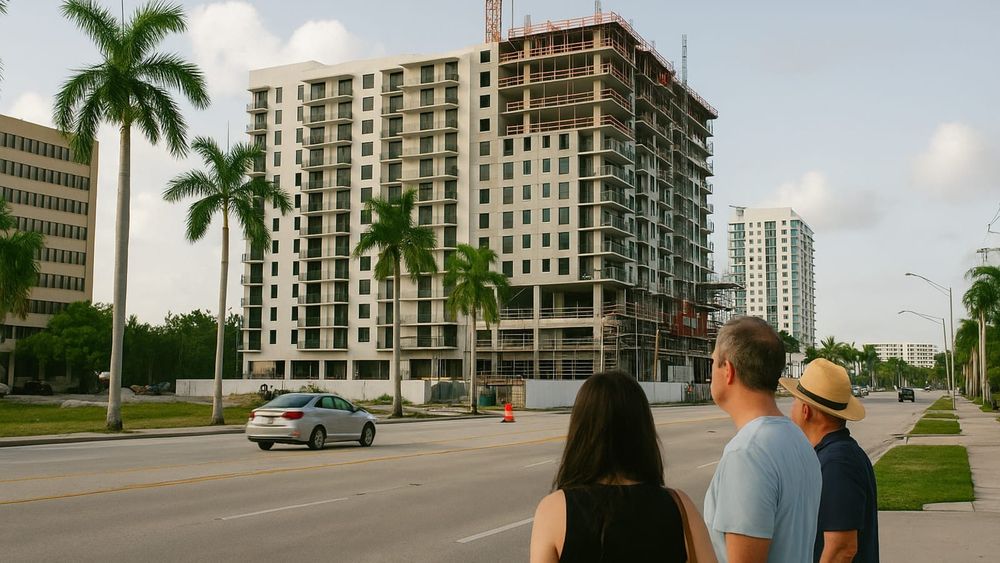
The state mandate has forced Miami to approve 82 development projects under the Live Local Act. Despite these forced approvals, only two of those projects have broken ground as of late June 2026, according to municipal records.
Under the Live Local Act, qualifying developments in commercial, industrial, or mixed-use zones bypass municipal codes like Miami 21. Developers can build up to 1,000 units per acre and match the height of the tallest building within a one-mile radius if they set aside at least 40% of the residential units for workforce housing. Local leaders argue this preemption strips cities of the power to manage utility infrastructure and school capacities.
The New Teeth of Live Local 4.0
On June 26, 2026, Governor Ron DeSantis signed House Bill 1389, marking the fourth iteration of the Live Local Act. The law went into effect on July 1, 2026, and curtails local authority.
The legislation prevents cities and counties from using secondary zoning tools to restrict a project's height. Municipalities cannot use setbacks, stepbacks, or other dimensional regulations to limit a building.
The bill also waives local government sovereign immunity under the Florida Fair Housing Act. Developers can now sue cities directly for damages and injunctions if a court determines a municipality obstructed or discriminated against an affordable housing application.
Furthermore, the updated law expands eligible land. It permits development on properties owned by local school districts and municipalities, as well as land owned by religious institutions. Religious properties must exceed three acres and have housed a place of worship for at least 10 years to qualify.
Wynwood and the Battle for the Skyline
Wynwood has become a primary target for developers using the state law to bypass local height limits. Bazbaz Development proposed a 48-story mixed-use tower at 2101 NW Miami Court in Wynwood, a neighborhood that historically maintained a strict 12-story height limit.
Local advisory bodies, including the Wynwood Design Review Committee and the Urban Development Review Board, voted to recommend denial of the Bazbaz project. However, state preemption under the Act renders those decisions advisory, preventing local officials from blocking the tower.
Other developers are planning similar high-density projects in the neighborhood. Brooklyn-based developer LivWrk proposed a 1,363-unit development consisting of three 45-story towers in Wynwood, threatening the low-scale, artistic profile of the district.
The Miami City Commission's decision to study a lawsuit reflects growing frustration among local officials who feel locked out of the planning process. To read more about how local communities are responding to these developments, visit The Coconut Grove Spotlight.
A Regional Ripple Effect
Other Florida municipalities are also challenging the state's housing mandates. On March 6, 2026, Hillsborough County filed a declaratory lawsuit against the State of Florida in Leon County Circuit Court. The county argues that the Live Local Act unlawfully usurps planning and zoning powers granted by the Florida Constitution and the Community Planning Act.
In Broward County, residents have taken legal matters into their own hands. On June 23, 2026, Hollywood resident Kathleen DiBona and the nonprofit Keep Public Lands Public filed a lawsuit in Broward County Circuit Court against the City of Hollywood and Related Group.
The lawsuit seeks to stop a proposed 30-story condo tower at 1301 S. Ocean Drive. The development includes 84 workforce housing units approved under the Live Local Act. The plaintiffs argue that Hollywood's 99-year lease to Related Group violates a city charter requirement for a voter referendum on public land leases, and violates a deed restriction dedicating the parcel to public park use. You can read additional analysis on South Florida real estate trends at The Real Deal.
In Manatee County, builders are pushing back against an aggressive spike in developer impact fees. Developers have launched litigation, arguing that the county is using the fees as a loophole to halt Live Local projects.
As Miami's legal team compiles its recommendations, local business owners and real estate developers are watching closely. The outcome of these legal battles will determine whether state preemption or local home rule dictates the future density of South Florida's cities.
Disclosure: This article was drafted with AI assistance by The Sundaze Gazette editorial team and reviewed before publication.