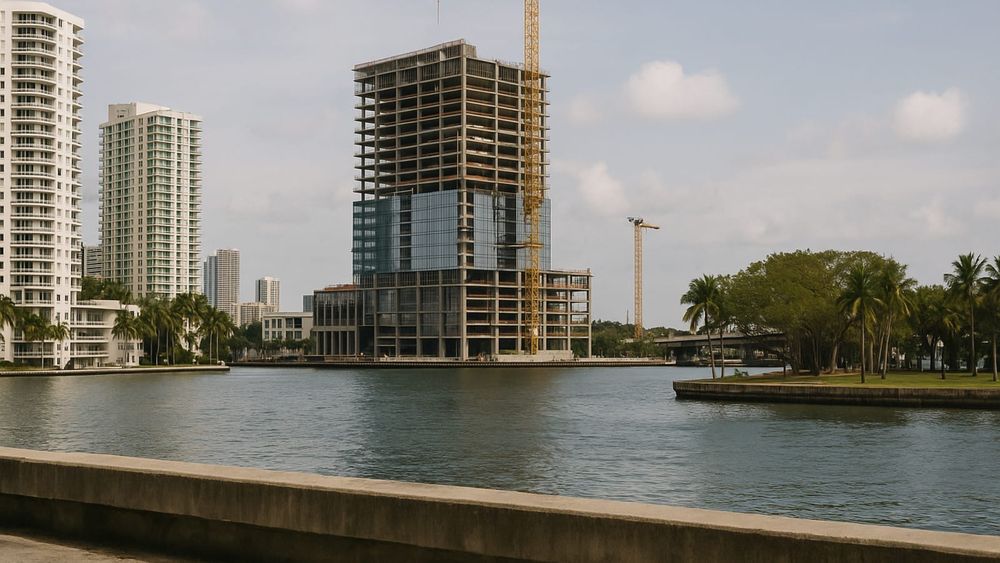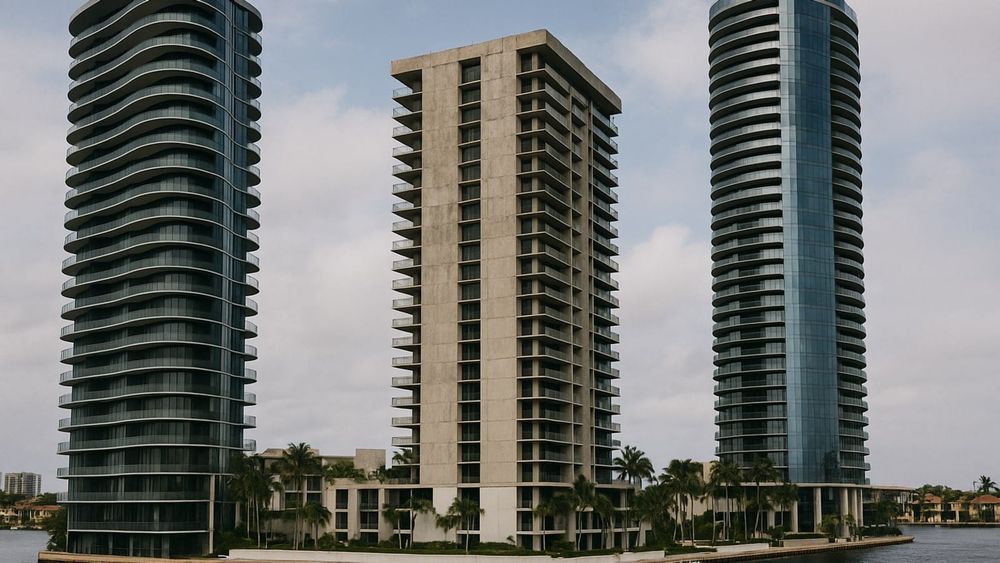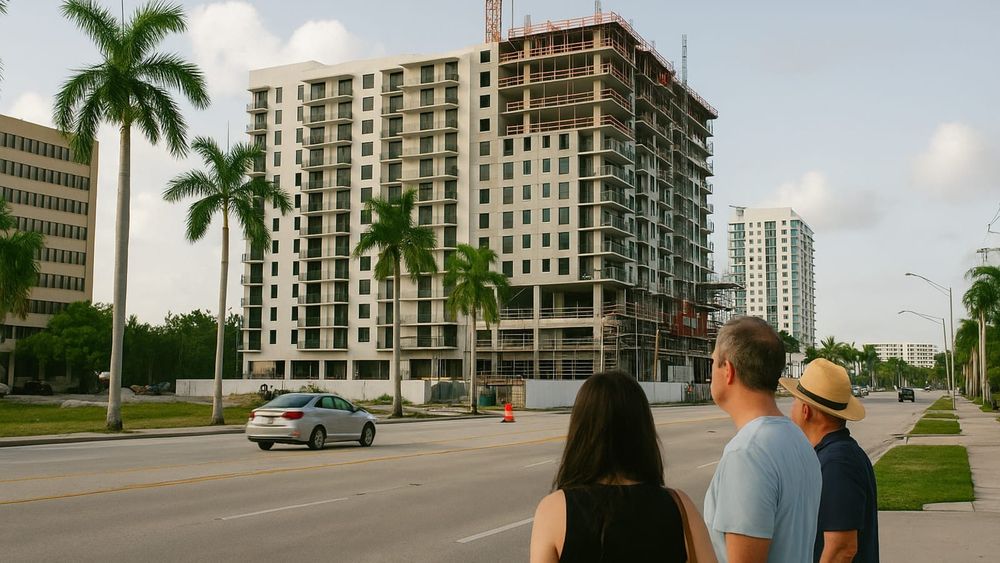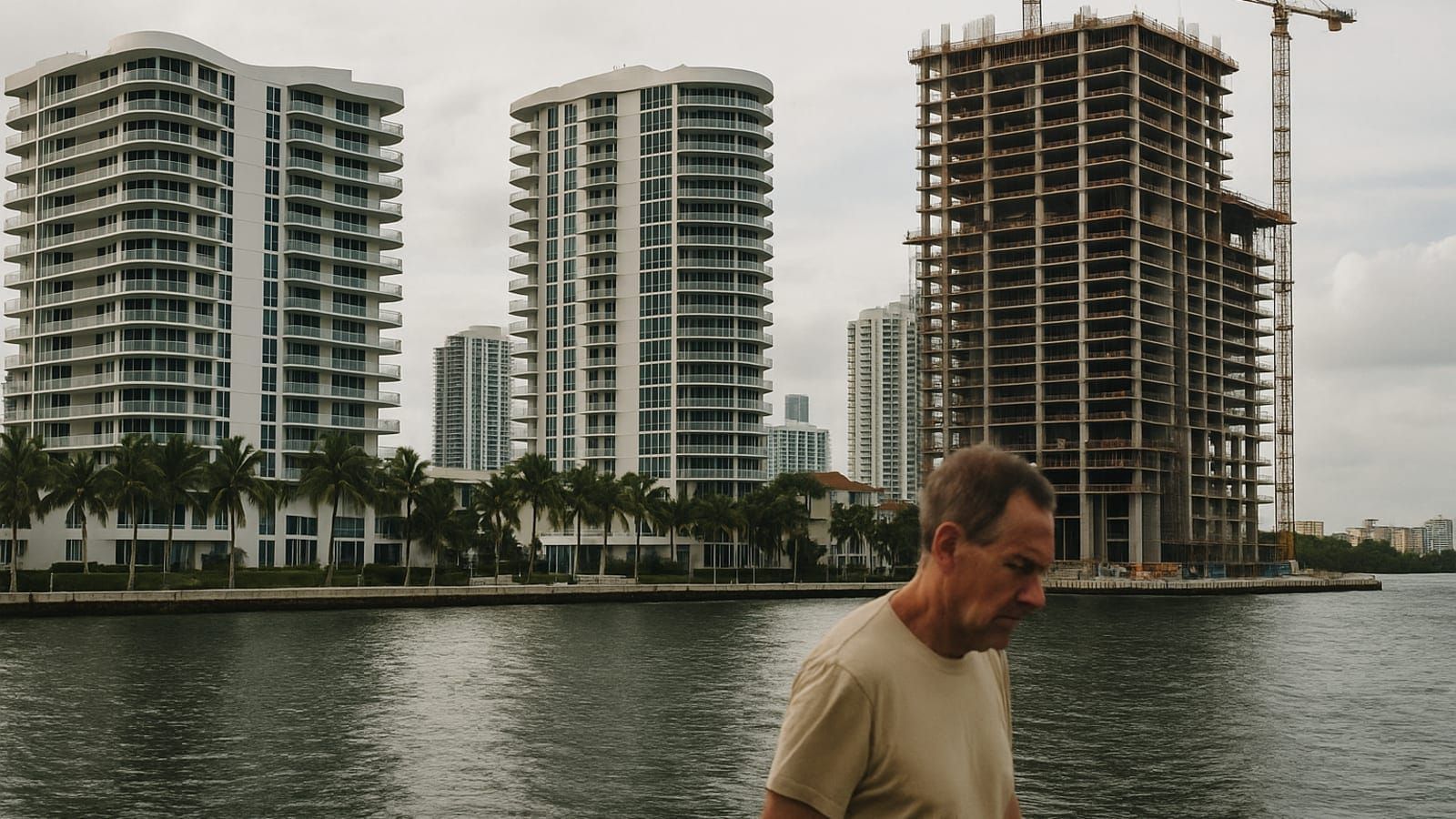
Miami-Dade property values cooled to a 5.4% growth rate in 2026, signaling a major market stabilization as a struggling condominium sector and a drop in new construction values anchor South Florida's real estate boom.
The Certified Taxable Value Downshift
On July 1, 2026, Miami-Dade County Property Appraiser Tomás Regalado certified the 2026 Preliminary Certification of Taxable Values, establishing the countywide taxable property value at $540.1 billion. This final certification represents a 5.4% increase from 2025. While this growth rate indicates a stable market, it confirms a steady deceleration from previous years. The certified taxable value growth rate dropped from 10.7% in 2024 to 8.7% in 2025, before hitting the 5.4% mark in 2026.
This deceleration created an immediate challenge for local administrators. Miami-Dade budget staff had prepared municipal spending plans based on a projected 7% growth rate. The actual certified growth fell 1.6 percentage points short of that forecast, forcing county and municipal budget teams to make conservative spending adjustments. In June, the property appraiser's office estimated a 5.5% growth rate with a $540.7 billion valuation, but the certified July numbers proved lower.
A steep decline in new construction values drove this deceleration. New construction on Miami-Dade tax rolls fell from $8.6 billion in 2025 to $5.1 billion in 2026.
Condominium Market Drags Down Valuations
The regional condominium sector remains the primary anchor slowing taxable value appreciation. Overall condominium and co-op values in Miami-Dade fell by 1.2% in 2026, following a 0.6% decline in 2025.
Regalado told the Miami Herald that the luxury condo market is flat, while older condos are dropping in value. He also noted that single-family houses remain listed for a longer time than in past years.
State structural safety laws passed after the 2021 Champlain Towers collapse in Surfside fueled the decline in older properties. Florida Senate Bills 4D and 154 required condominium associations to conduct structural integrity reserve studies, complete milestone inspections, and fully fund repair reserves by the end of 2024. These mandates forced associations to issue large special assessments and raise monthly maintenance fees. Faced with high insurance premiums and repair costs, owners slashed unit prices to attract buyers.
High-end luxury properties avoided this downward trend. In Bal Harbour and Surfside, where average condo values exceed $2 million, taxable values rose by 1.2% and 0.7% in 2026.
Regional Shift Across Broward and Palm Beach
Similar property value trends emerged in Broward and Palm Beach counties, confirming a broad regional cooling.
In Broward County, Property Appraiser Marty Kiar reported that active listings surged, shifting the residential market in favor of buyers. Median home prices dipped 0.3% year-over-year to $469,000. Buyers in Broward now negotiate inspection and appraisal contingencies, which sellers rarely accepted during the pandemic boom.
In Palm Beach County, Property Appraiser Dorothy Jacks certified preliminary taxable values at a 7.35% increase from 2025. However, new development drove this growth rather than the appreciation of existing properties. Palm Beach added $5 billion in taxable value from approximately 4,000 new residential units. Meanwhile, older Palm Beach condominiums face the same challenges seen in Miami-Dade. High maintenance fees and reserve requirements left Palm Beach County with 9.3 months of condominium inventory, compared to 4.1 months of inventory for single-family homes.
Market Rebalancing and Future Fiscal Headwinds
Local real estate executives view the cooling figures as a necessary correction. Ron Shuffield, CEO of Berkshire Hathaway HomeServices EWM Realty, stated that the market is taking a breather. Shuffield noted that double-digit annual price growth was unsustainable, adding that today's transition differs from the 2008 crash when median Miami-Dade home prices dropped more than 60%.
Local governments face further revenue constraints beyond the cooling real estate market. On June 2, 2026, the Florida Legislature passed a property tax relief amendment, CS/HJR 1F, for the November 3, 2026 ballot, according to reports tracked by Axios. If approved by 60% of voters, the measure will increase the non-school homestead exemption from $50,000 to $150,000 in 2027, and up to $250,000 in 2028. It will also lower the non-homestead assessment cap from 10% to 5% starting January 1, 2027.
The Miami-Dade County Property Appraiser warned municipal leaders that these expanded exemptions, combined with flat property valuations, will restrict operating revenues for the upcoming fiscal years.
Disclosure: This article was drafted with AI assistance by The Sundaze Gazette editorial team and reviewed before publication.