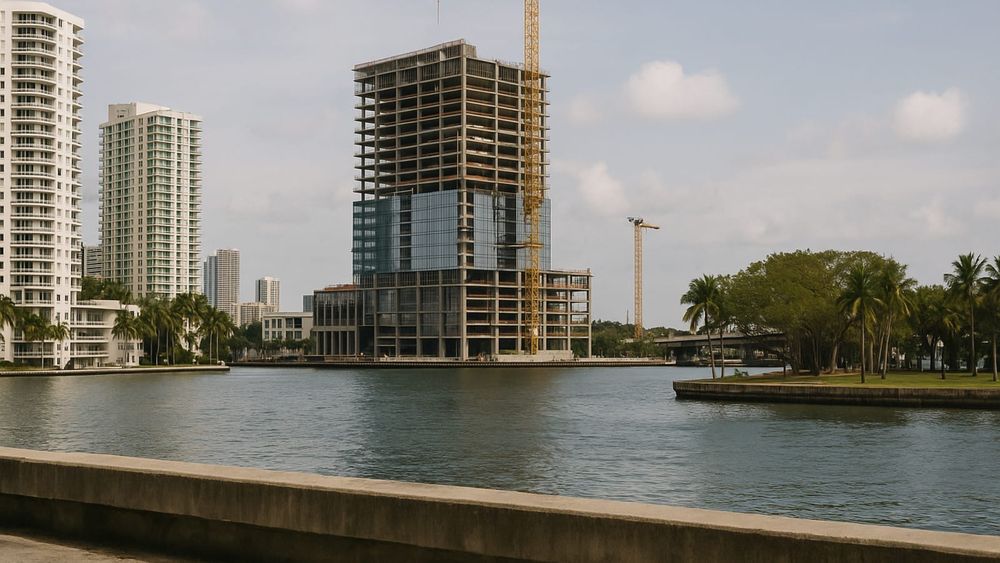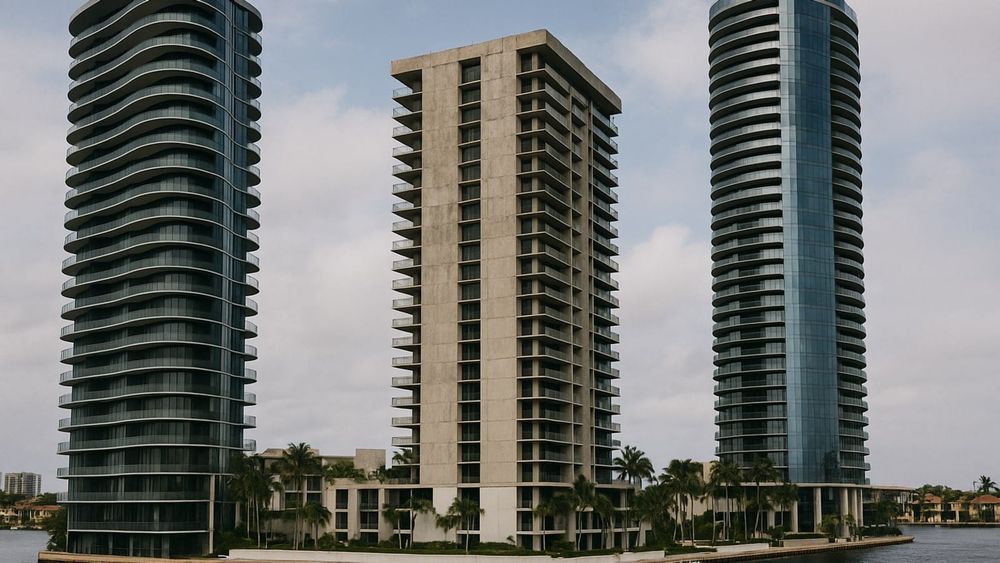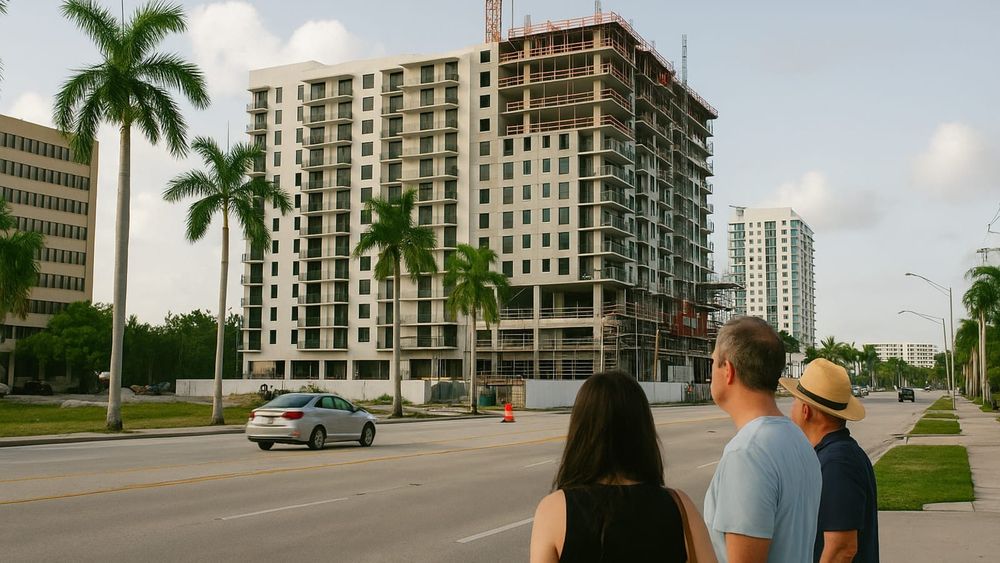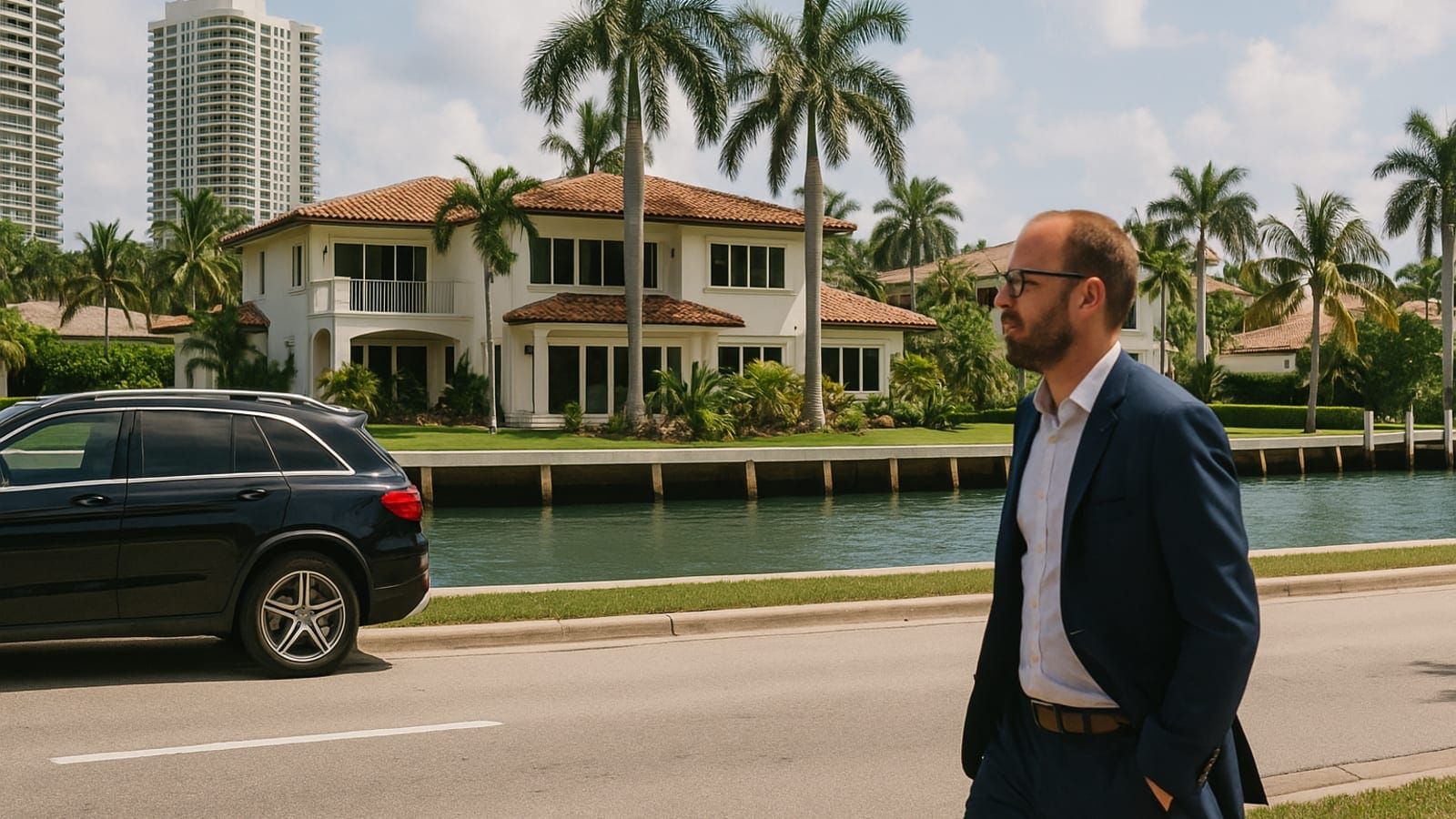
The certification of California's Proposition 40 wealth tax has accelerated a major migration of billionaires to South Florida, fueling high-end property acquisitions in Miami and Palm Beach as ultra-wealthy residents shield their assets.
The California Wealth Tax Trigger
On June 25, 2026, California election officials certified Proposition 40 for the November 3, 2026, General Election ballot. Sponsoring labor union SEIU United Healthcare Workers West designed the initiative, known as the 2026 Billionaire Tax Act, to levy a one-time 5% tax on individuals and trusts with a worldwide net worth exceeding $1 billion. State healthcare programs will receive 90% of the revenue, while food assistance and public education will split the remaining 10%.
Because the tax is retroactive to anyone residing in California as of January 1, 2026, establishing residency in another state after this date does not shield an individual from the levy. Residents who wished to legally avoid the tax had to establish out-of-state residency before the start of the year. This retroactive residency requirement prompted several technology billionaires to shift assets and establish primary residencies outside California during late 2025.
The proposed ballot measure faces significant federal and constitutional opposition. In February 2026, United States Representative Kevin Kiley introduced the Keep Jobs in California Act of 2026. The federal bill seeks to prohibit states from imposing retroactive taxes on the assets of individuals who no longer reside in that state. Legal experts predict that if Proposition 40 passes, it will trigger immediate lawsuits under the Due Process Clause for its retroactive application and the Dormant Commerce Clause for taxing worldwide assets.
The Math of Billionaire Capital Flight
The scale of the tax liabilities explains the rapid relocation of major technology executives. Google co-founder Larry Page ranks as the second-richest person in the world, trailing Elon Musk, who became the world's first trillionaire in June 2026. Page holds a net worth estimated at $291 billion, placing his potential California tax bill at $12.85 billion.
Page established a real estate footprint in South Florida by building a three-property assemblage in Miami's Coconut Grove for a combined $188.37 million. He purchased the 4.5-acre Banyan Ridge compound on Anchorage Way for $101.5 million on December 29, 2025. He followed with a $71.9 million home in the gated Camp Biscayne community on Munroe Drive on January 5, 2026, and completed the acquisition by buying an abutting property on Devon Road for $14.97 million on January 21, 2026.
Florida's tax climate provides an alternative to West Coast policies. The state levies no personal income tax, estate tax, or wealth tax, and offers a protected primary residence homestead exemption. Under Proposition 40, directly held real estate is excluded from the taxable net worth calculation, though real estate held indirectly through business entities like limited liability companies or partnerships remains taxable. This distinction has influenced how incoming residents structure their property purchases.
South Florida Real Estate Absorbs West Coast Capital
Other prominent Silicon Valley executives made similar moves. Meta CEO Mark Zuckerberg set a Miami-Dade County record by purchasing an under-construction waterfront mansion in Indian Creek Village for $170 million. Tech founders Sergey Brin, Peter Thiel, and Larry Ellison also shifted their primary residencies or assets out of California in late 2025. Brin made an offer to buy a waterfront home on Allison Island in Miami Beach to expand his local holdings.
The migration extends beyond California. New York Governor Kathy Hochul signed a pied-a-terre surcharge on luxury second homes into law on May 28, 2026, driving additional East Coast buyers to Florida. Driver's license exchanges in South Florida during the first half of 2026 show a 16% year-over-year increase from California and a 9% increase from New York. This migration depleted premium waterfront inventory and drove average square-foot prices in submarkets like West Palm Beach and Coconut Grove to record highs.
Developers Expand Luxury Footprints
Local developers are adjusting their pipelines to accommodate the demand for secure, large-scale luxury properties. Kolter Urban is expanding its luxury residential footprint across Naples, Miami, and West Palm Beach.
Ed Jahn, Senior Vice President of Kolter Urban, shared his expectations regarding West Coast transplants fleeing to Florida in an interview with the Miami Herald, stating, "I hope I'm right."
New residential towers target incoming buyers by emphasizing high-level private security, resort amenities, and proximity to emerging financial districts. For ultra-high-net-worth buyers, multi-million-dollar condominium purchases represent a minor cost compared to their potential tax liabilities in California or New York.
Disclosure: This article was drafted with AI assistance by The Sundaze Gazette editorial team and reviewed before publication.